

When did we realise smoking is bad for us?
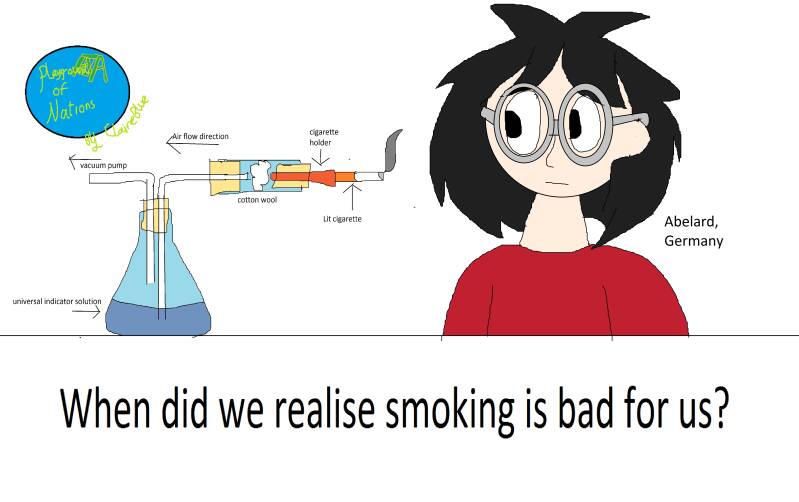
In the early 1900s, it was common for a character in a story or a person in real life to smoke. The use of tobacco for 8,000 years since the development of maize based agriculture in central Mexico in 5000BCE and its popularity as a cash crop became popular for the first time in 1612 during the plantations of the American east coast.
It was in 20th century Germany where the first studies began to link smoking to cancer. These findings were published in the journal Der Tabakgegner (The Tobacco Opponent) in 1912 and 1932. As a result, the first anti smoke movement was in Germany during the Nazi years.
During World War 2, cigarettes were not rationed and smoking was encouraged to squish boredom and boost morale. In the years following the war, an epidemic involving cancer growth in the lungs, a disease now called lung cancer, began taking the lives of smokers.
Further studies were published and by the 1960s the smoking and cancer connection was finally realised by the public. One of the first major reports was by the U.S. Surgeon General which concluded the connection between cancer and smoking as well as bronchitis as official.
Since then, many countries and territories have introduced with anti smoking laws but cigarettes are still being made and sold with warnings stating "SMOKING KILLS" and the side effects enforced by the government.