

History of Pride (Stonewall riots)
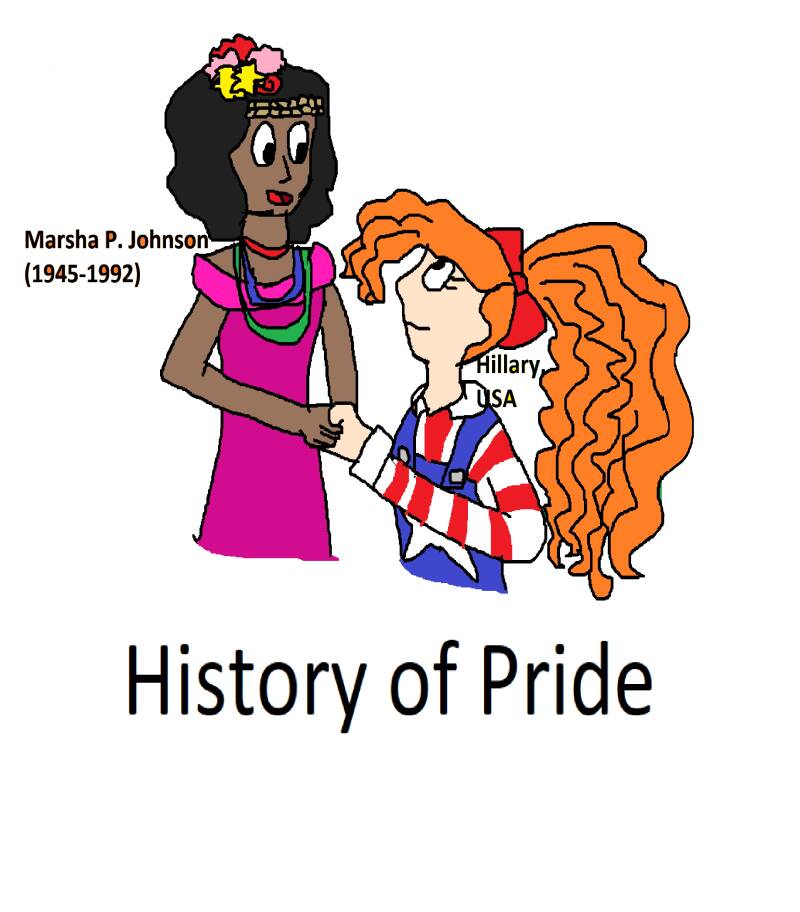
Every June, corporations flaunt rainbow flags and express their acceptance of those who are part of the LGBT community. The LGBT community stands for Lesbian, Gay, Bisexual and Transgender. A person who is gay is someone who loves another person who is the same gender as them and the term Gay (originally used a word similar to happy) is used to describe a man who loves men. The term Lesbian is used for a woman who loves women. Bisexual means a person of any gender loves a person regardless of their gender. Transgender means that there are people who feel like they don't match their assigned gender at birth and would like to transition to the gender they feel they are.
In modern times, LGBT people are being accepted and laws are being tailored to suit their best interests but back in historic times, they would be excluded from society and any romantic relationships that were not with another gender other than the lover's own were recorded as friendships.
In fact, pride commemorates an event in LGBT history, the Stonewall riots. Back when same sex relations were illegal, LGBT Americans would flock to gay bars and clubs where they could express themselves without worry. This is where Stonewall comes in, a gay bar and restaurant in Greenwich Village, New York City that had patrons bring in their own liquor in lieu of owning a liquor licence. On 28 June 1969, police raided Stonewall despite the venue not being tipped off to the New York Police Department. Fed up with discrimination and police harassment, infuriated patrons and nearby residents rioted against the police after a lesbian was hit over the head by a police officer as she was being forced into the police van. During the riot, a drag queen named Marsha P. Johnson climbed up a lamppost and dropped a brick in a handbag onto a police car, the impact smashed the windshield.
A drag queen (For those too young or unaware of Ru Paul's Drag Race) is a man who would dress up as a woman and wear make up in a
way that exaggerates feminine features.
Following this event, many campaigns were set up as well as the first Pride Parade which was held in 1970. Many gay rights organisations were set up like GLAAD and in later years and many once closeted people came out as gay, bisexual or transgender. As stated earlier, laws have and are continuing to be made that are making the lives of same sex and transgender people equal as those who are straight (a person who loves someone the opposite gender to them). On 22 May 2015, the Republic of Ireland became the first country to legalise same-sex marriage on a national level by popular vote.