

The process of the Conclave: before, during and after
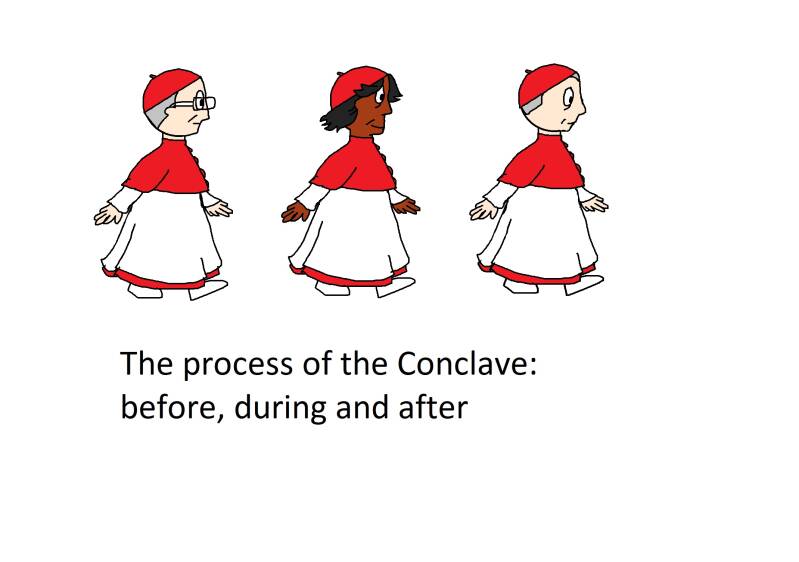
With the death of Pope Francis, we had a period of mourning to grieve for him before electing his successor Cardinal Robert Francis Prevost as Pope Leo XIV. With how young Pope Leo XIV is in comparision to Pope Benedict XVI and Pope Francis, it will be a long time before we experience this again so while the events are still in our conscious, let’s go over what happens when a pope dies and the process that goes into electing a new pope.
Regardless of what the final illness was, the post mortem for a dead pope will go as follows: To be sure of the pope’s death, his birth name is called out three times by the cemerlengo who is a high ranking Vatican official and if he fails to respond, he is declared dead. Of course, there is also modern day medical professional intervention to confirm the death. The papal signet ring of the dead pope (an official symbol of the authority of the pope) is destroyed to prevent forgery in future use.
It should be noted that when both Pope Benedict XVI died and when Pope Francis died, social media posts swirled around with the supposed fact that the body of the recently deceased pope is hit on the head three times to confirm he is dead. This isn’t mentioned in official documentation related to the death of a pope and the procedures that come with the event. The photos that usually come with those “facts” are used in a ceremonial opening of a holy door like during a jubilee period including one in 2000. USA Today’s research (as well as the research by LeadStories) concluded that the hammer rumour comes from at least 19th century with equally lack of actual supposed use occurring.
The world goes into grief after the death is officially announced by the Vatican after confirmation. Church bells ring, flags are down at half mast, and Catholic communities across begin a period of prayer and reflection. This kicks off nine days of mourning also called Novemdiales and this period sees the following:
• Papal garments of red and white with some golden embroidery are placed on the body of the pope so he is presentable in a dignified and holy manner for lying in state.
• The body is displayed for public sight at St. Peter's Basilica so that mourners, including dignitaries and world leaders, can pay their respects.
• Prayers and special Masses are held all around the Catholic Church.
Traditionally, popes were embalmed so they wouldn’t look all rotten and unpleasant when they are laying in state and for preservation as relics, their organs are removed. Popes who have died in recent times like Pope John Paul II, Pope Benedict XVI and Pope Francis have all requested for a simple funeral or burial. Yet the same with all happened, their faces were covered, a document about their pontificates were read out and signed by those present before being sealed in a metal tube and placed inside the cypress wood coffin.
Typically, a pope is buried four to six days after passing away. The dean of the College of Cardinals leads the funeral, which draws thousands of mourners to St. Peter's Square. Although some have selected other locations, the majority of popes are buried in the Vatican Grottoes beneath St. Peter's Basilica. For instance, Pope Francis has stated that he would like to be buried in Rome's Santa Maria Maggiore. Likewise, the last time a pope had the name Leo before Leo XIV, Pope Leo XIII also had his body buried in the Basilica of Saint John Lateran in 1924, 21 years after his death in 1903. For 21 years, he was resting in peace at in the Vatican Grottos.
In the interim period between the death of the previous pope and the election of the new pope, the College of Cardinals is in charge of keeping the ordinary activities of the church going. Identified by their red cassocks or robes and sharing their name with the bird, Cardinals are above bishops and are the closest advisors to the Pope. They wear red because they are ready to shed their blood for the church. Out of 252 cardinals, only 135 under 80 years old are eligible to elect in the conclave. The conclave is called such as the cardinals take an extreme measure to minimise contact with the outside world and everyone is sworn to secrecy. The only times a cardinal is allowed to leave is to go to the bathroom or if he gets sick. The Conclave takes place in the Sistine Chapel in the Vatican and that is closed to the public in the lead up to and during the Conclave. The College of Cardinals are strict about who is allowed in.
While it seems any baptised Catholic man can become pope, they have to be unmarried, childless, and a cardinal so don’t get too upset at this realisation that the bishop who was there for your confirmation didn’t get the job. He just didn’t get to become a cardinal in time.
Secret ballots are used for papal elections. A new pope must be elected with a ⅔ majority of votes, which in this conclave equates to 90 votes. Until a new pope is chosen, there are two votes in the morning and two in the afternoon. The ballots are burnt following each vote. Smoke coming from the chimney is the sole way the outside world is informed about what is going on inside the conclave. The presence of black smoke signifies the failure of a vote. The pope's selection is announced to everyone via white smoke. Chemicals added to the ballots while burning are what give them their colours.
Once a new Pope has been elected and he has announced his papal name to the cardinals who will greet him and offer him their allegiance, white smoke will ascend from the chimney and the newly elected pope is brought to a small room within the Sistine Chapel called the Room of Tears and it is called that because that’s where newly elected popes cry before donning the papal cassocks for the first time after removing his cardinal cassocks for the last time. In preparation for the new pope, three sets of white cassocks or papal robes are repaired. Each set represents a different size (small, medium and large) and depending on the clothing size of the newly elected pope, whichever size they fit in will be the size they will don for their first lot of papal duties (should their be any changes in clothing sizes throughout his papacy). Much more personal adjustments are made long after the first appearance on the balcony.
The announcement about the new Pope is made from the balcony of St. Peter’s Basilica with the words “Habenmus papam!” which translates from Latin as “We have a Pope!” and after that we are introduced to the new pope first by his former name and then by his new chosen name. With that announcement done, the new pope greets the ecstatic people in St. Peter’s Square and offers his first papal blessing. His papacy has now begun and will last for either the rest of his life or if he does like what Pope Benedict XVI did and resigns but more than likely until the moment of his death.
The new pope is Pope Leo XIV, born Robert Francis Prevost on 14 September 1955 in Chicago, Illinois, United States of America. He is a great listener, a bridge builder and has a great record of missionaries including being a bishop in Peru. He is also a vocal critic of both US President Donald Trump and his Vice President JD Vance (who became the target of jokes online since his visit to the Vatican occurred a day before Pope Francis’ death) and he (Leo) is in favour of Pope Francis’ values.